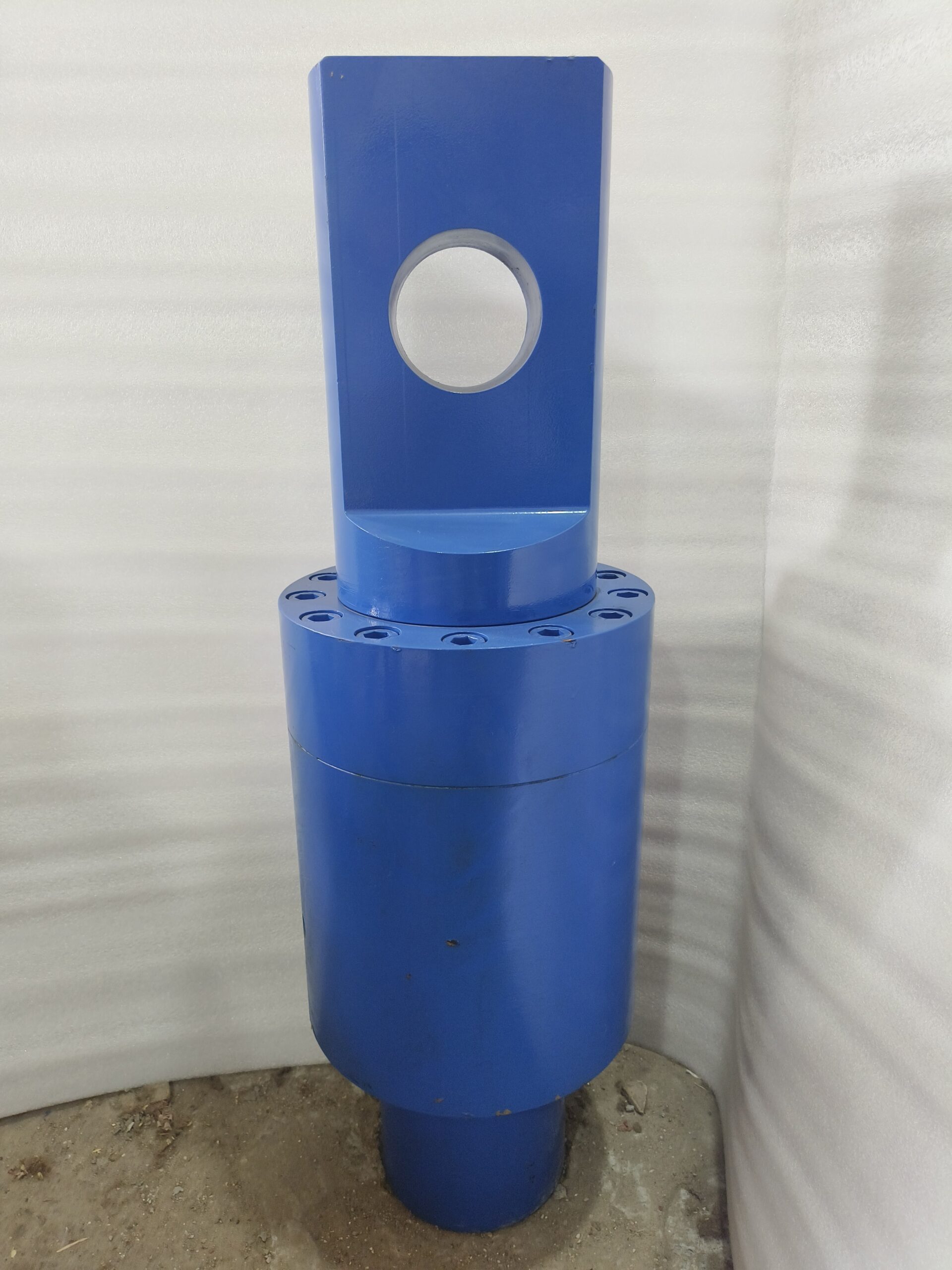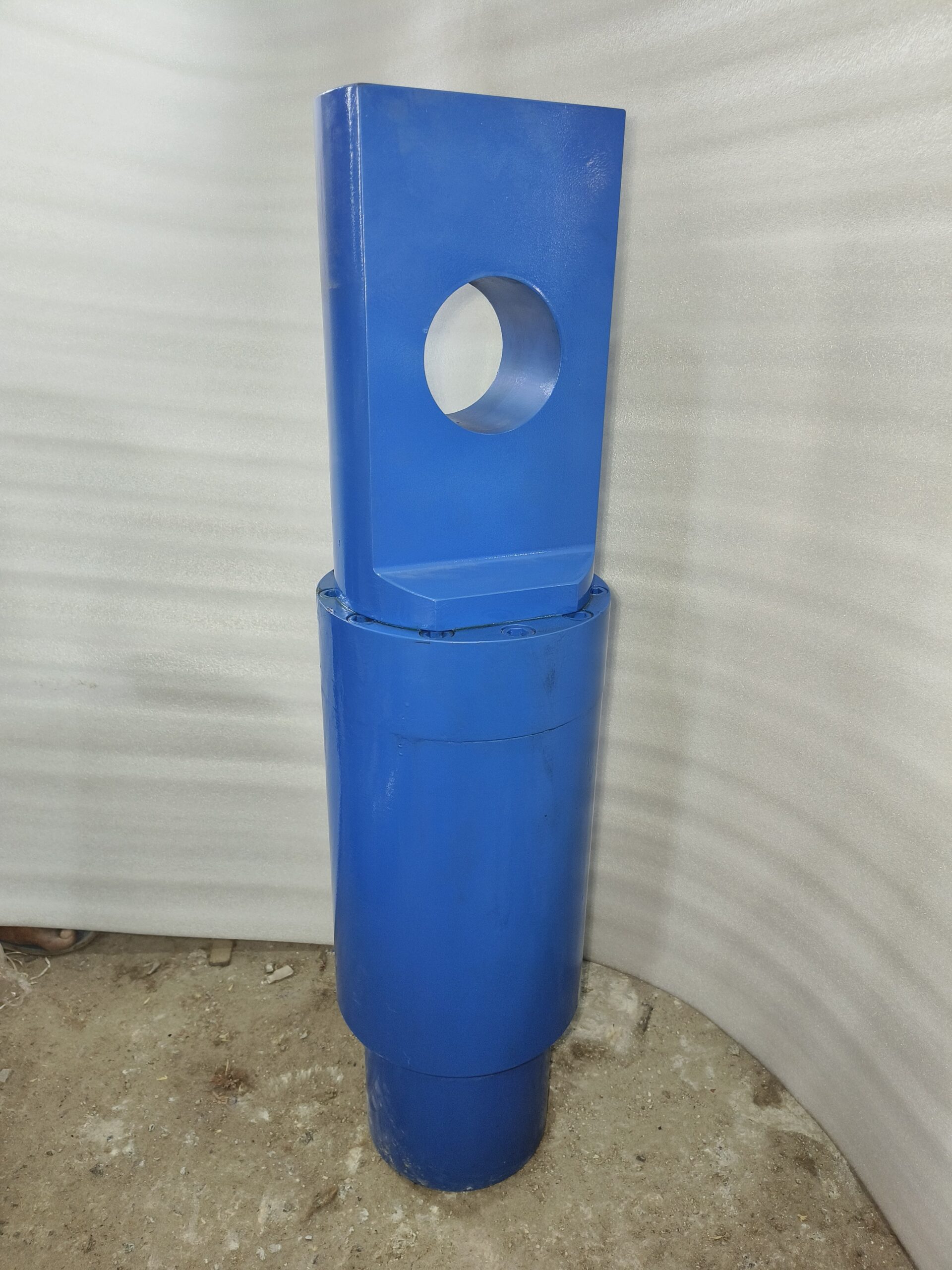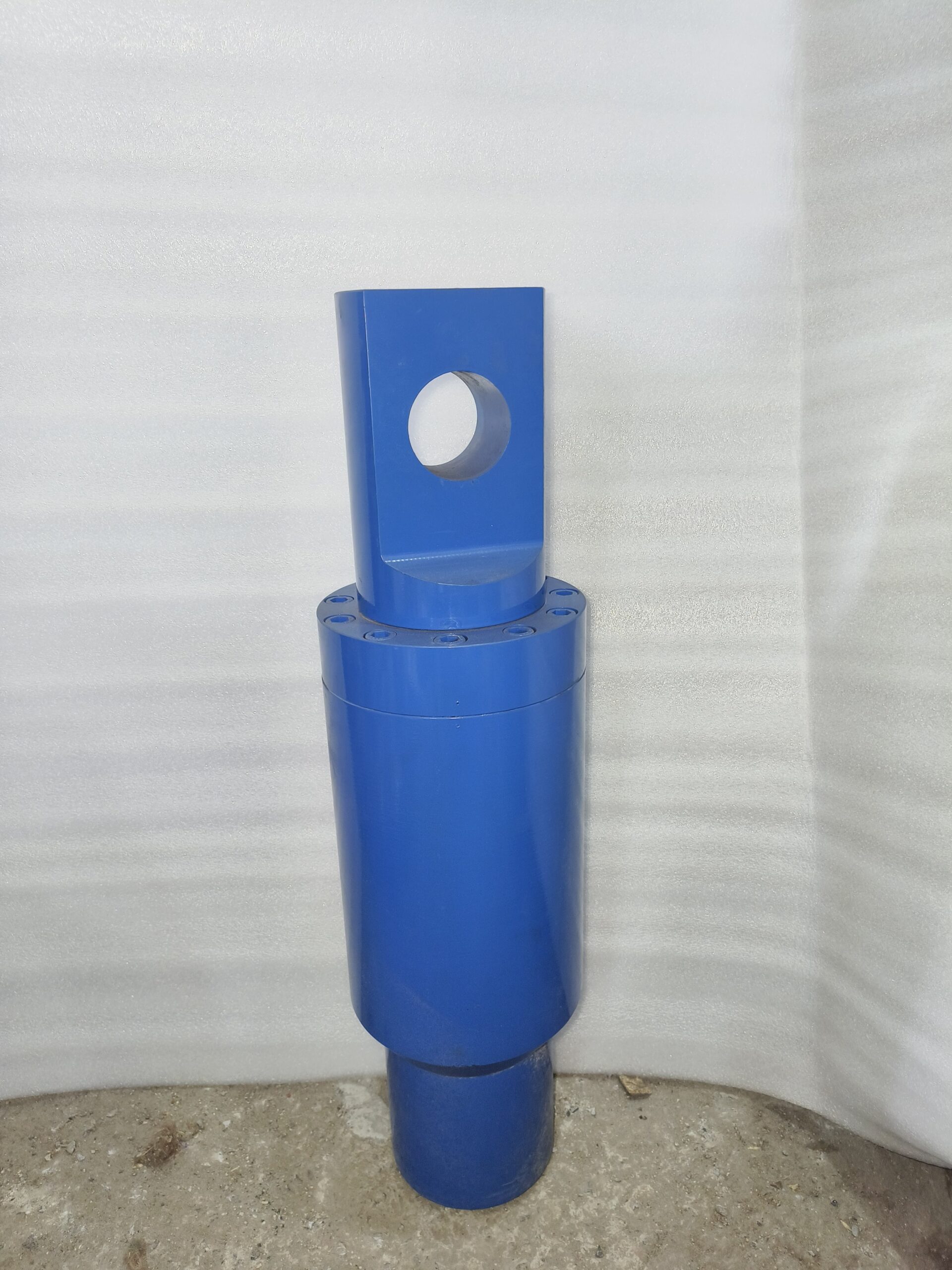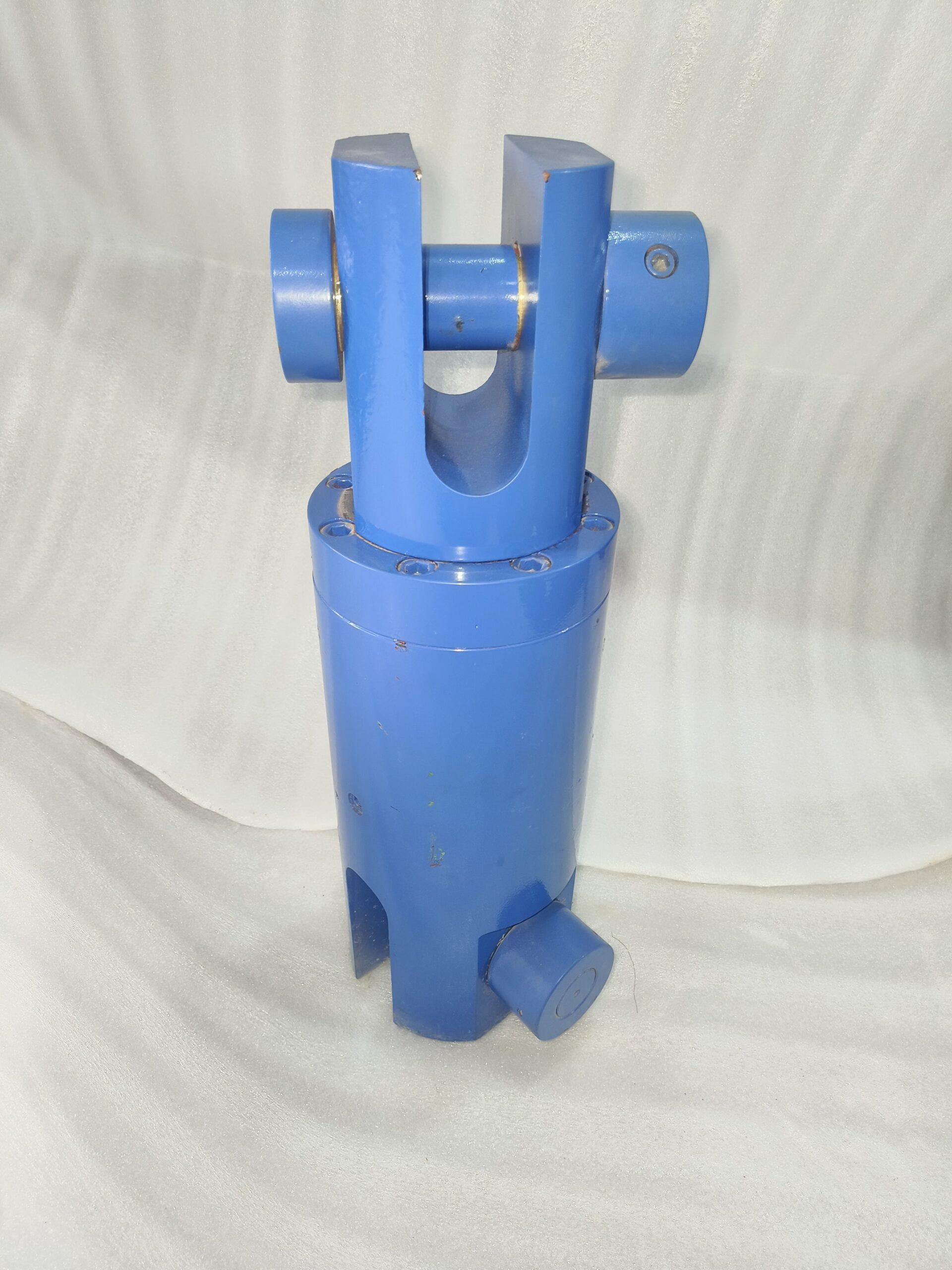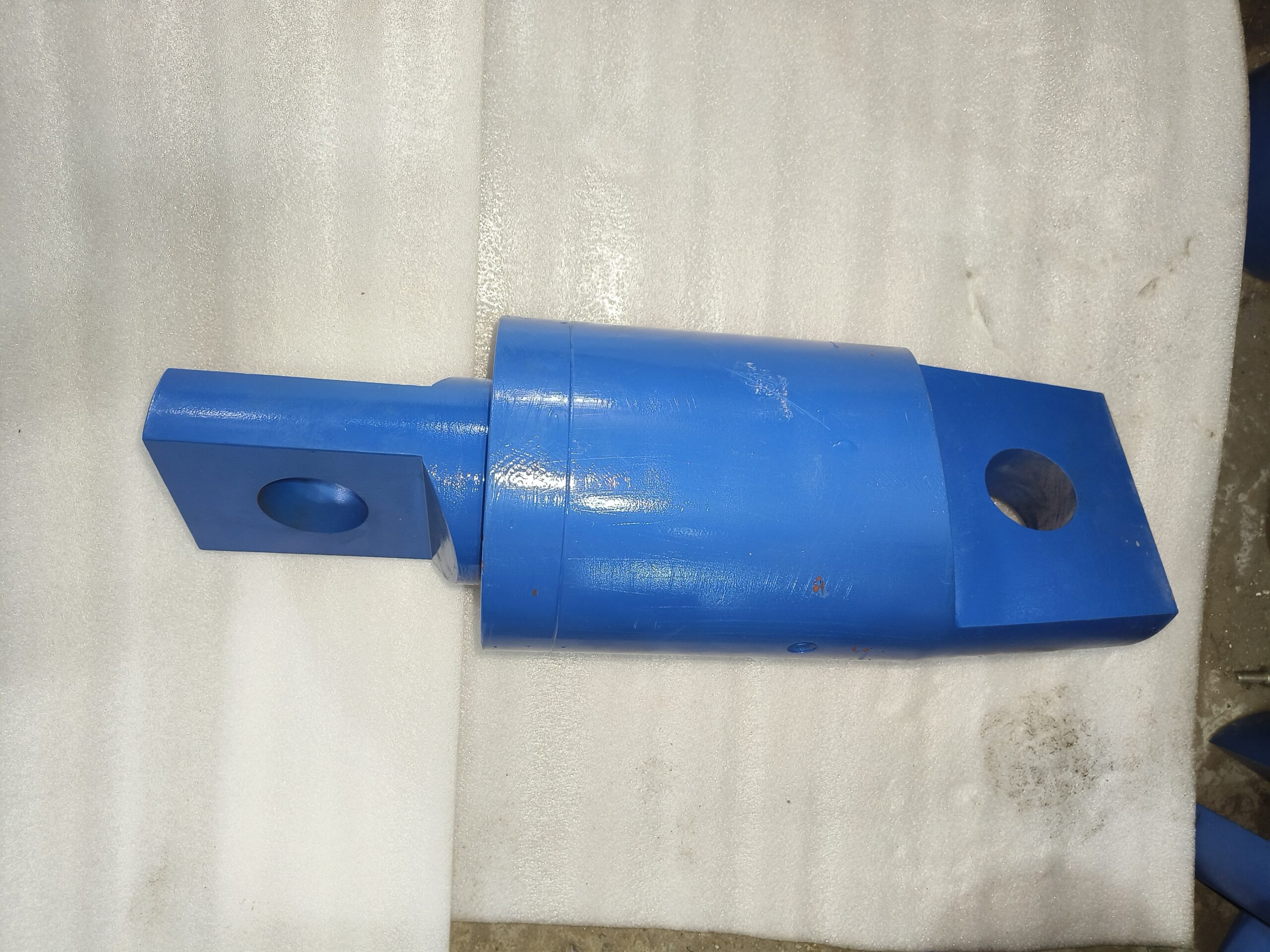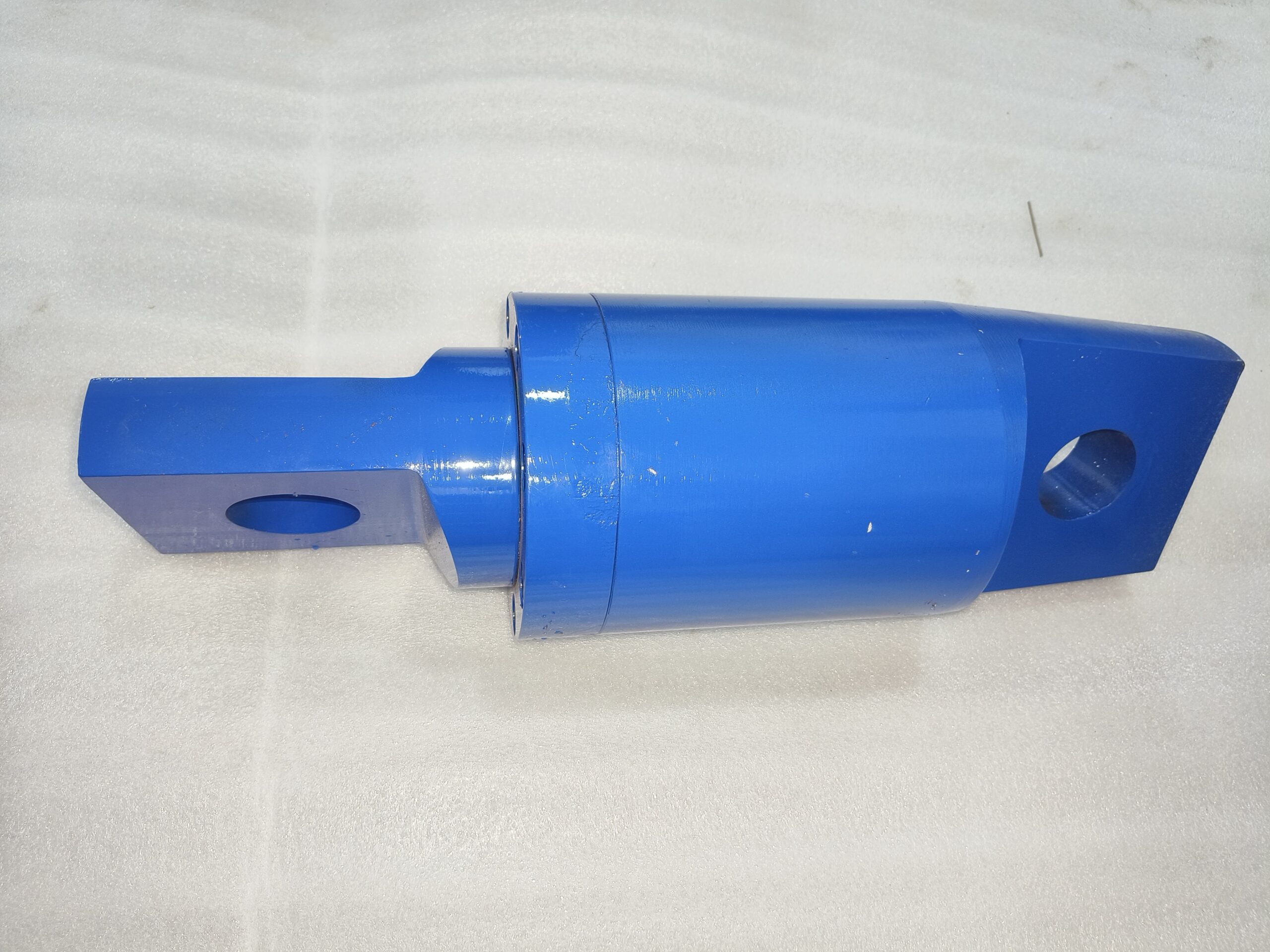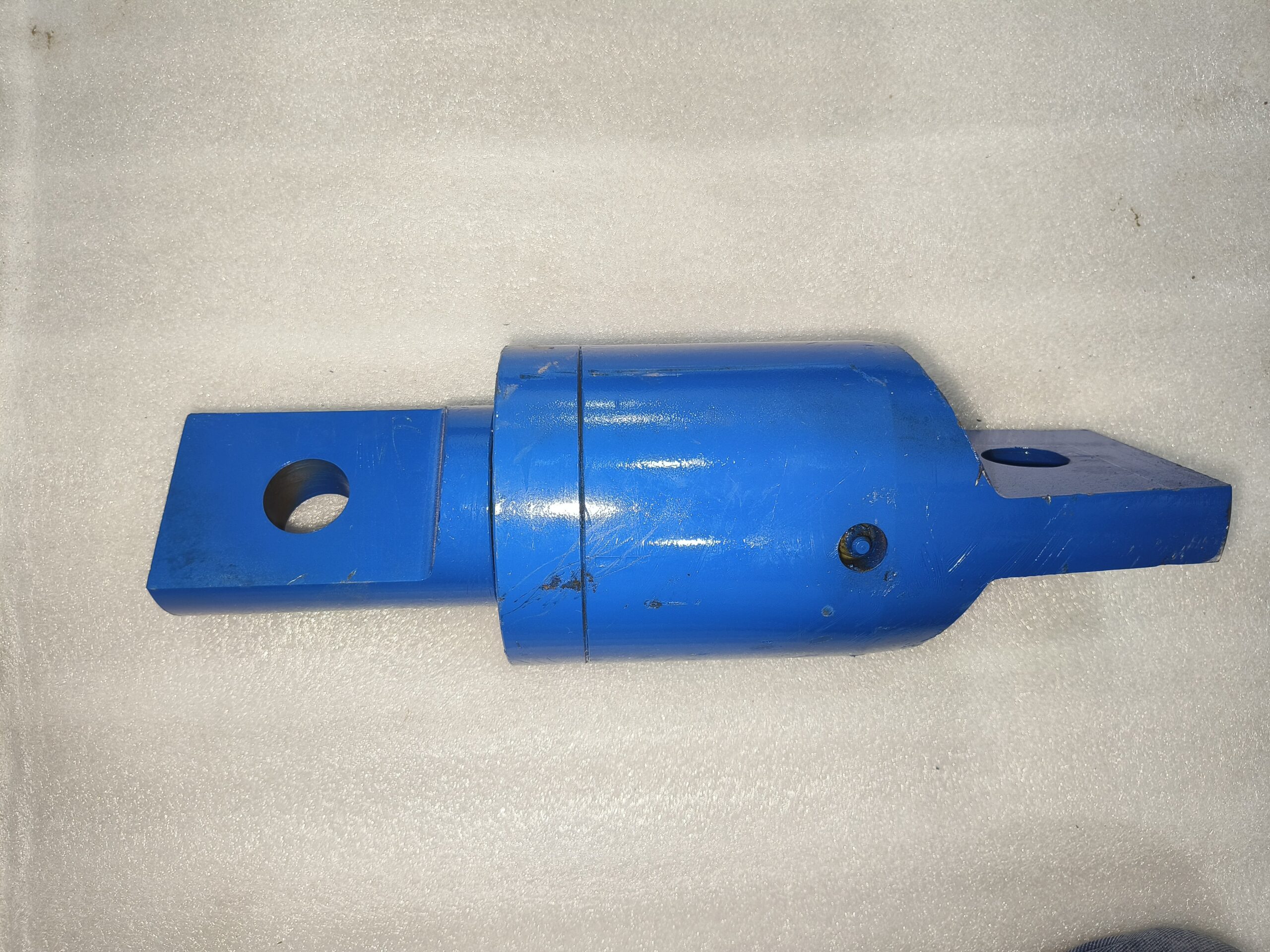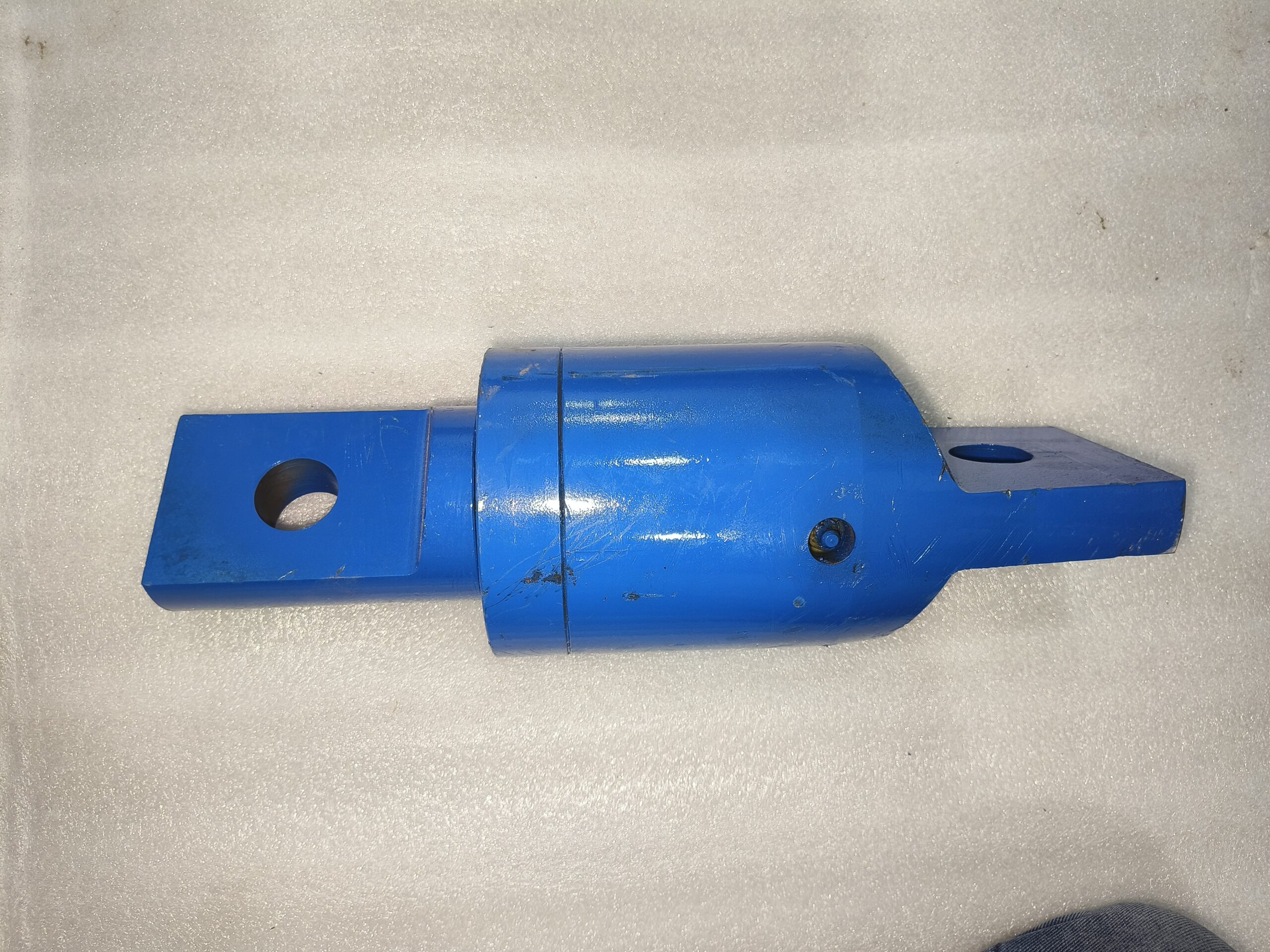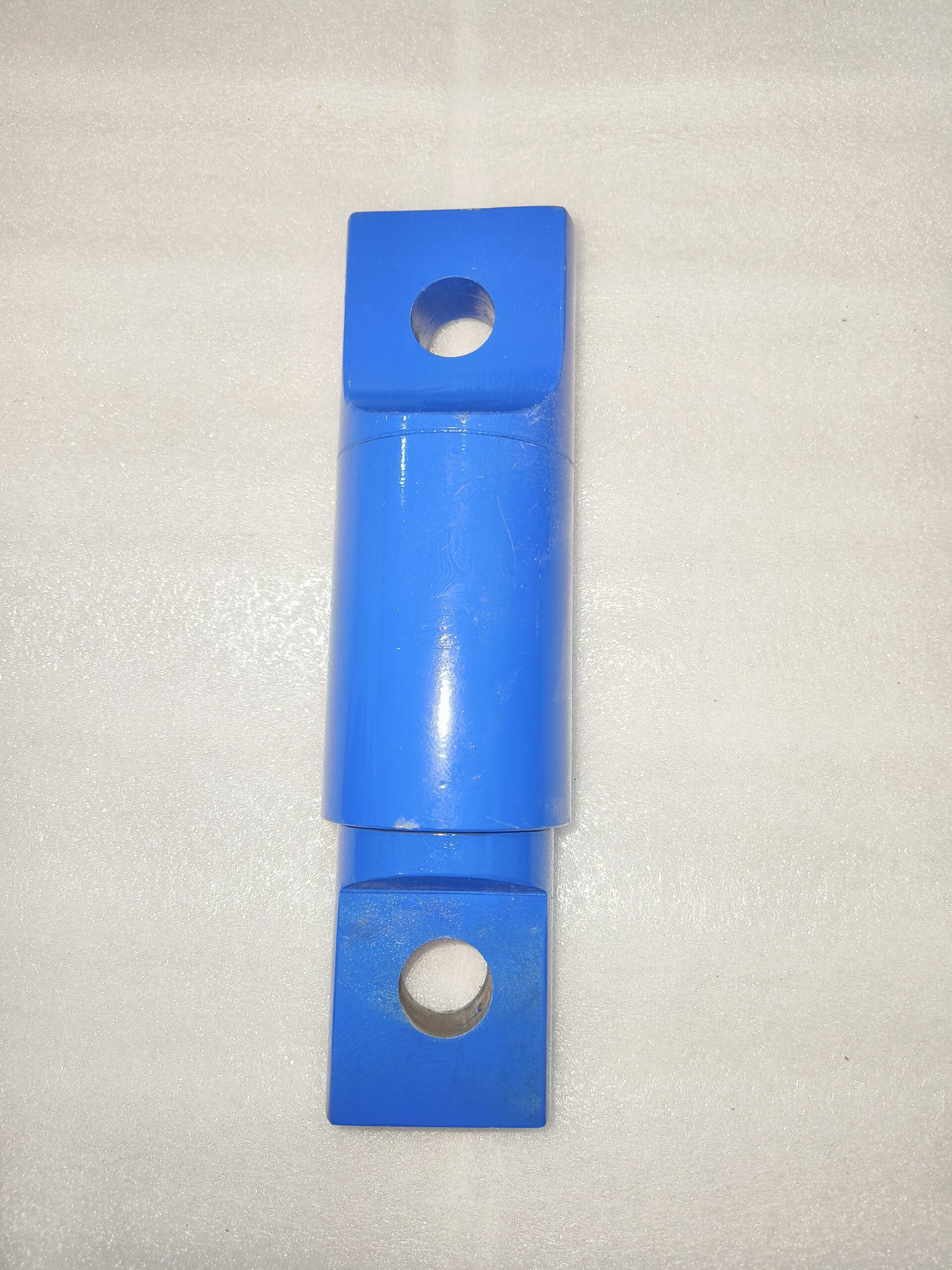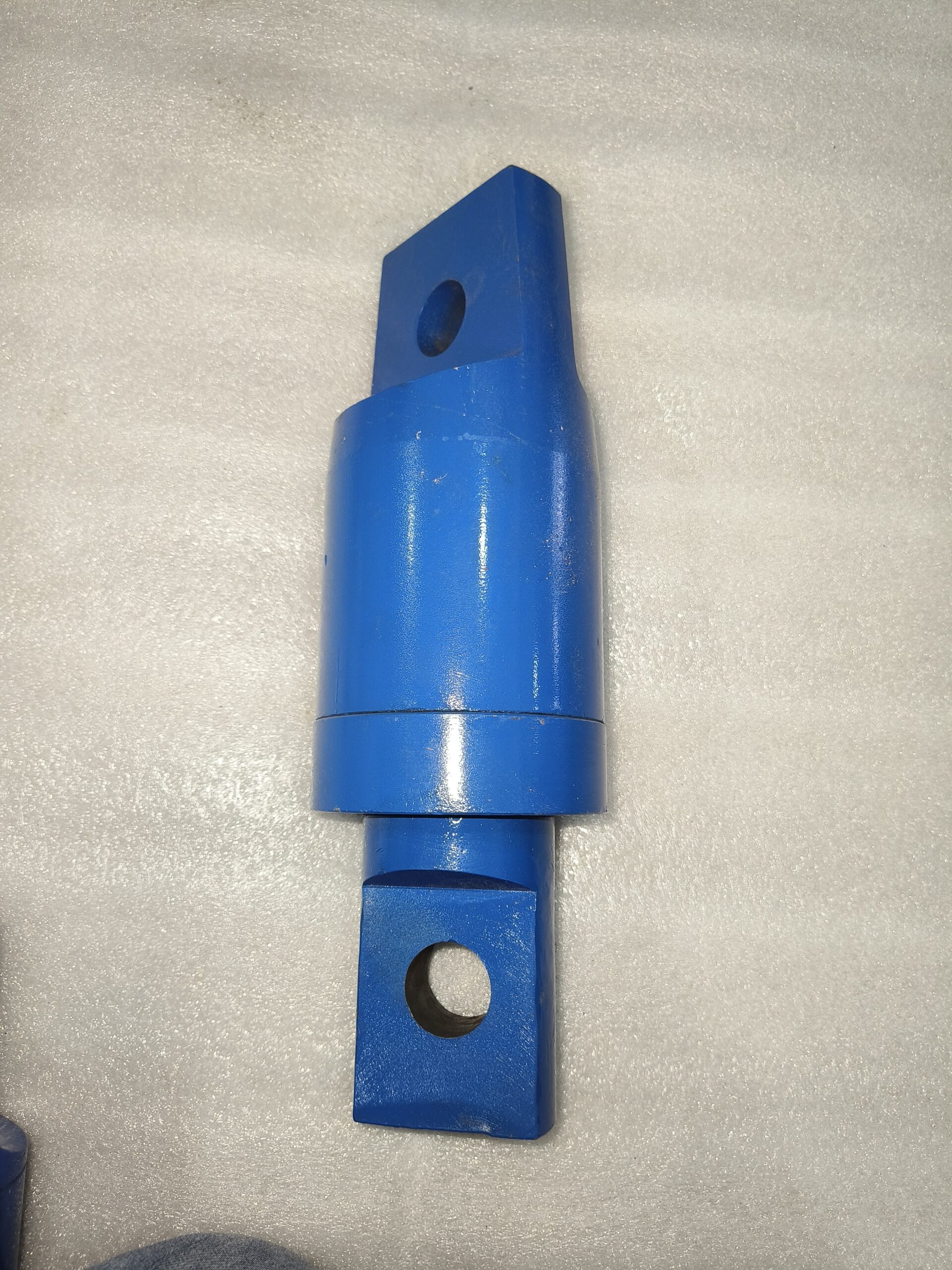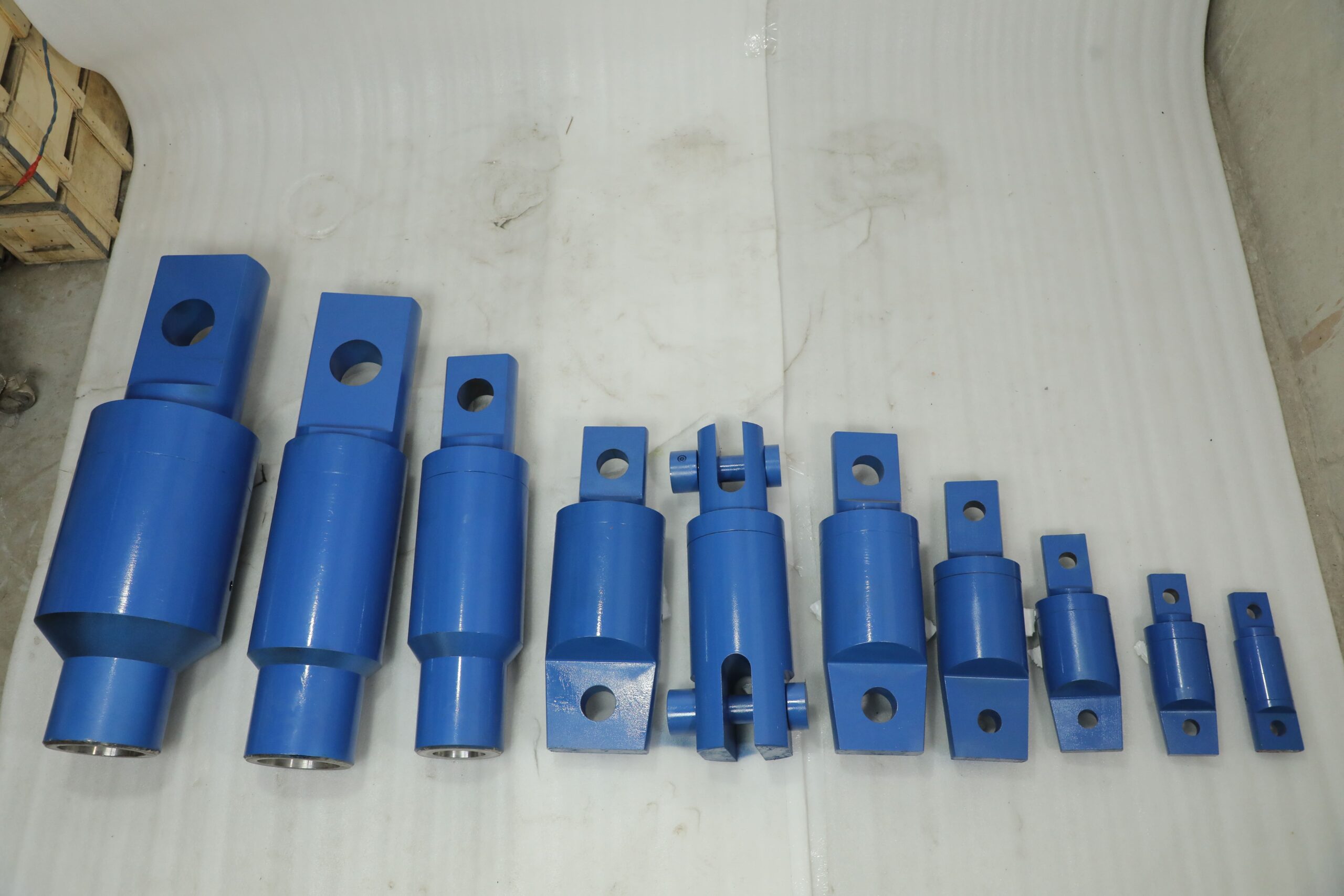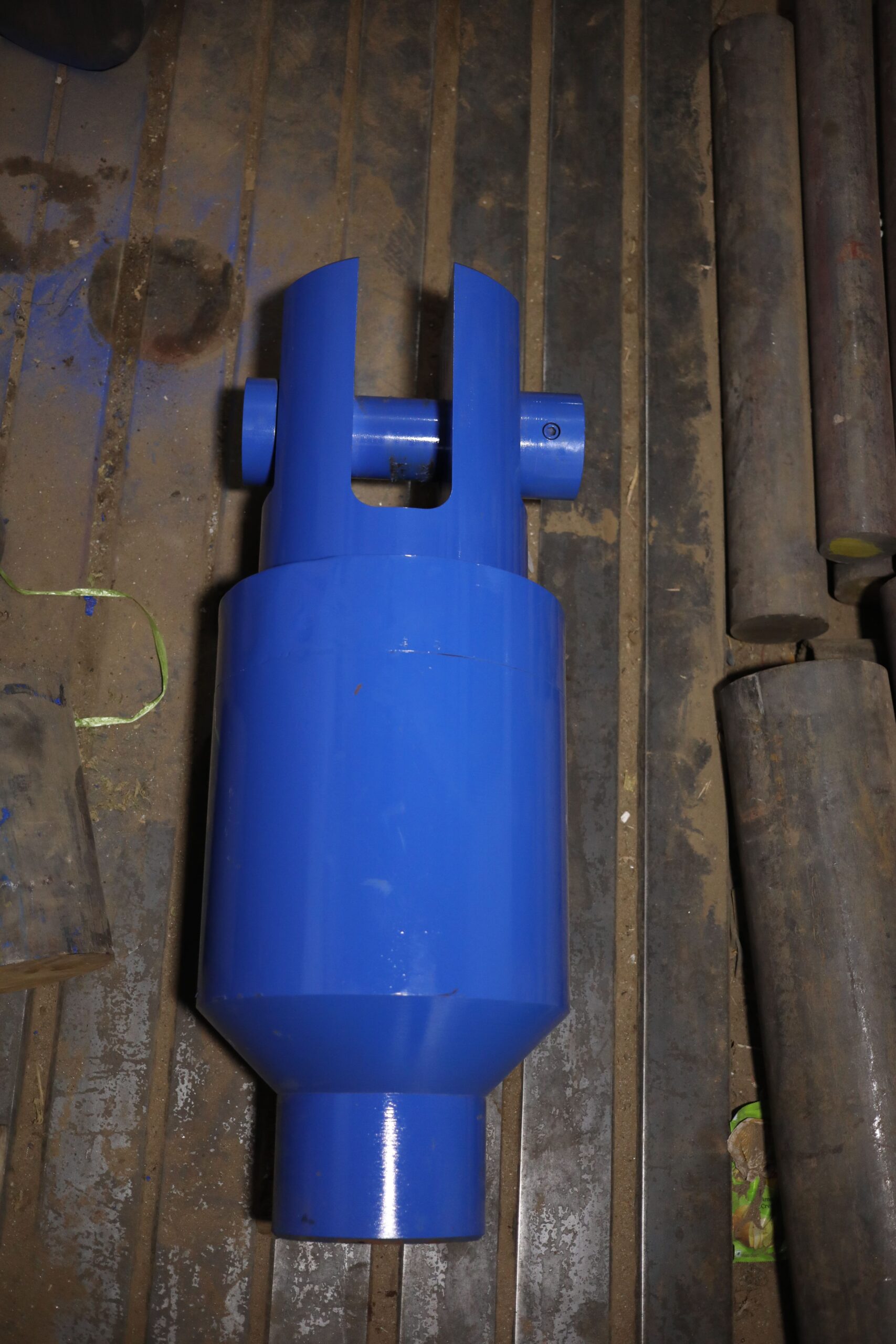
Pulling Swivel
A pulling swivel is a type of drilling tool used in the oil and gas industry, specifically in the process of drilling boreholes for exploration or production purposes. It’s an essential component of a drilling assembly that helps to mitigate the effects of torque and prevent the drilling string from getting tangled while drilling.
The forefront of innovation in Horizontal Directional Drilling (HDD). As dedicated manufacturers, we are pleased to introduce our extensive line of HDD Pulling Swivels, designed to meet the diverse needs of your drilling projects. Our pulling swivels are available in sizes ranging from 20 tons to a formidable 500 tons, ensuring a perfect fit for HDD machines of varying capacities.
Here’s how a pulling swivel is used in drilling:
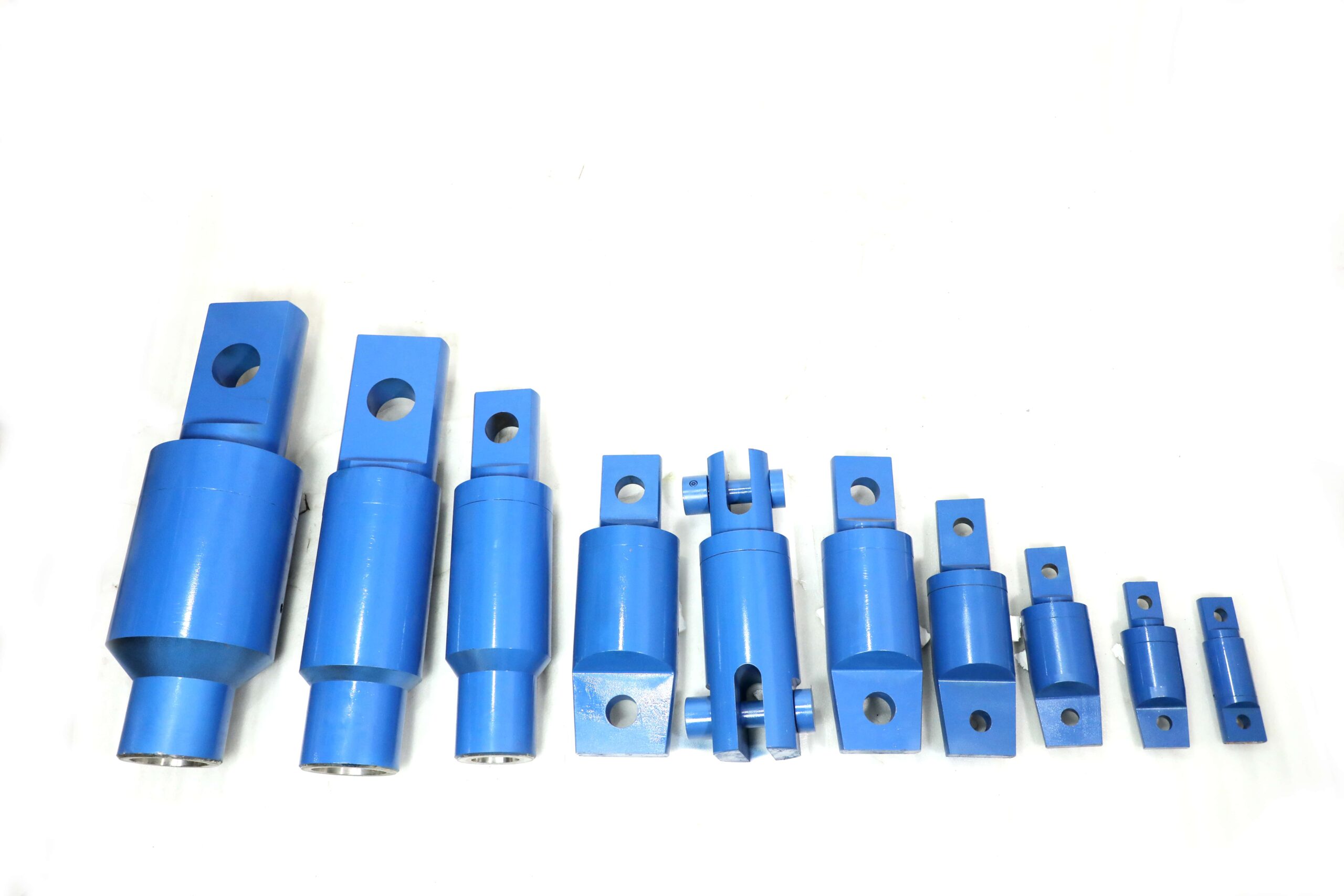
Drilling String and Torque:
The drilling process involves rotating the drill bit at the bottom of the borehole to create a hole in the earth’s subsurface. As the drill bit rotates, it generates torque that is transmitted up the drilling string (a series of interconnected pipes). This torque can create stress and tension in the drilling string, leading to potential problems such as pipe twisting or coiling.
Role of Pulling Swivel:
A pulling swivel is designed to address these torque-related issues. It is a rotating device that sits between the top drive (or kelly) and the drilling string. Its primary function is to allow the drilling string to rotate independently of the top drive, preventing the torque from being transferred all the way up to the drilling rig.
Rotation and Torque Isolation:
The pulling swivel has a set of bearings that enable it to rotate freely while the drilling string is turning. This means that as the drill bit rotates, the drilling string below the pulling swivel also rotates, but the top drive above the swivel remains relatively stationary, reducing the torque that is transmitted to the rig.
Preventing Tangling:
Another important function of the pulling swivel is to prevent the drilling string from becoming twisted or tangled. Since the drilling string can rotate freely through the swivel, it reduces the risk of the string becoming coiled or knotted, which could lead to operational issues or even damage to the equipment.
Connection to Rig:
The pulling swivel is connected to the top drive or kelly, which provides the necessary force to push the drilling string downward. The rotation of the drilling string through the swivel allows the drill bit to efficiently break through the rock layers.