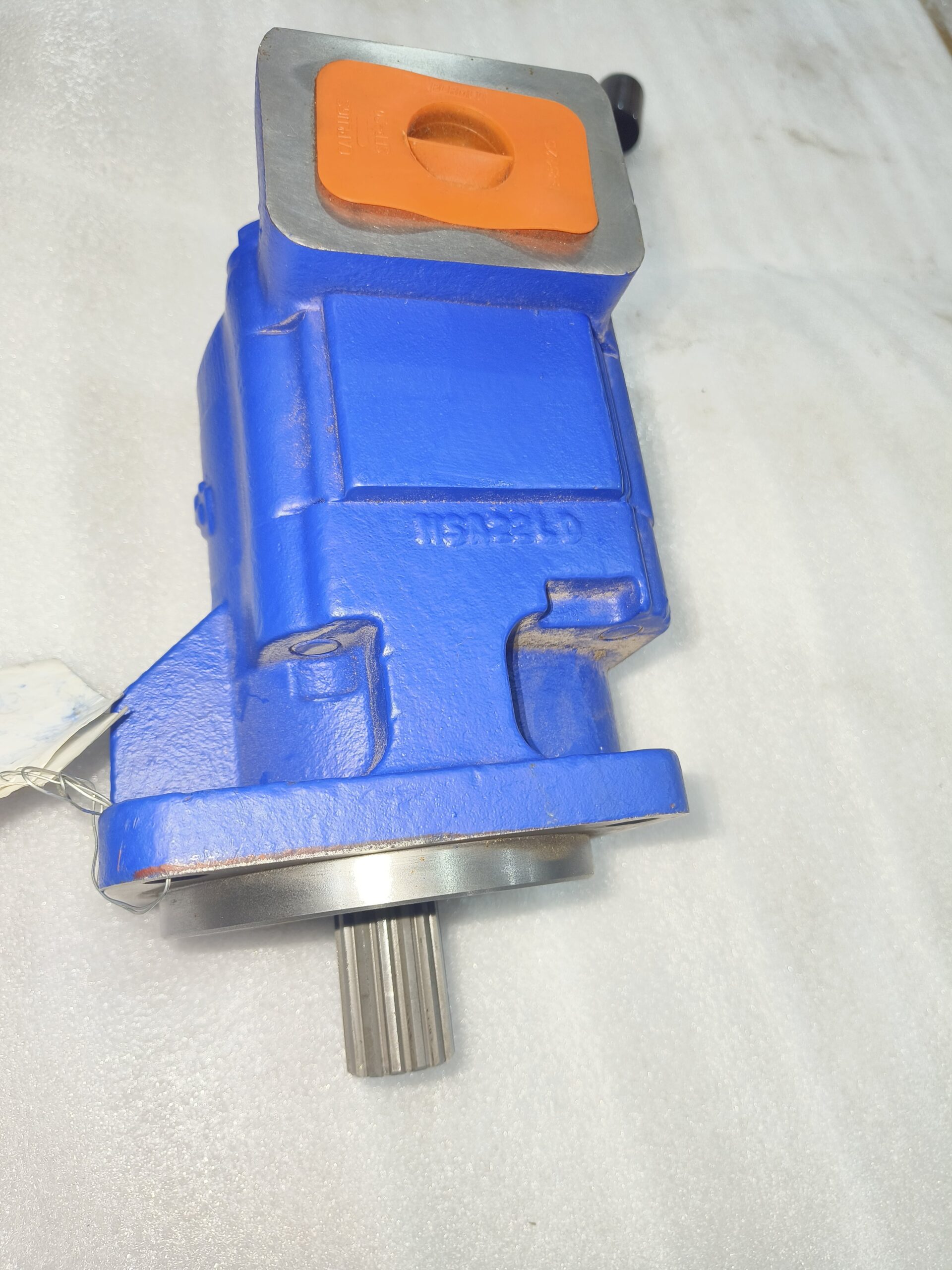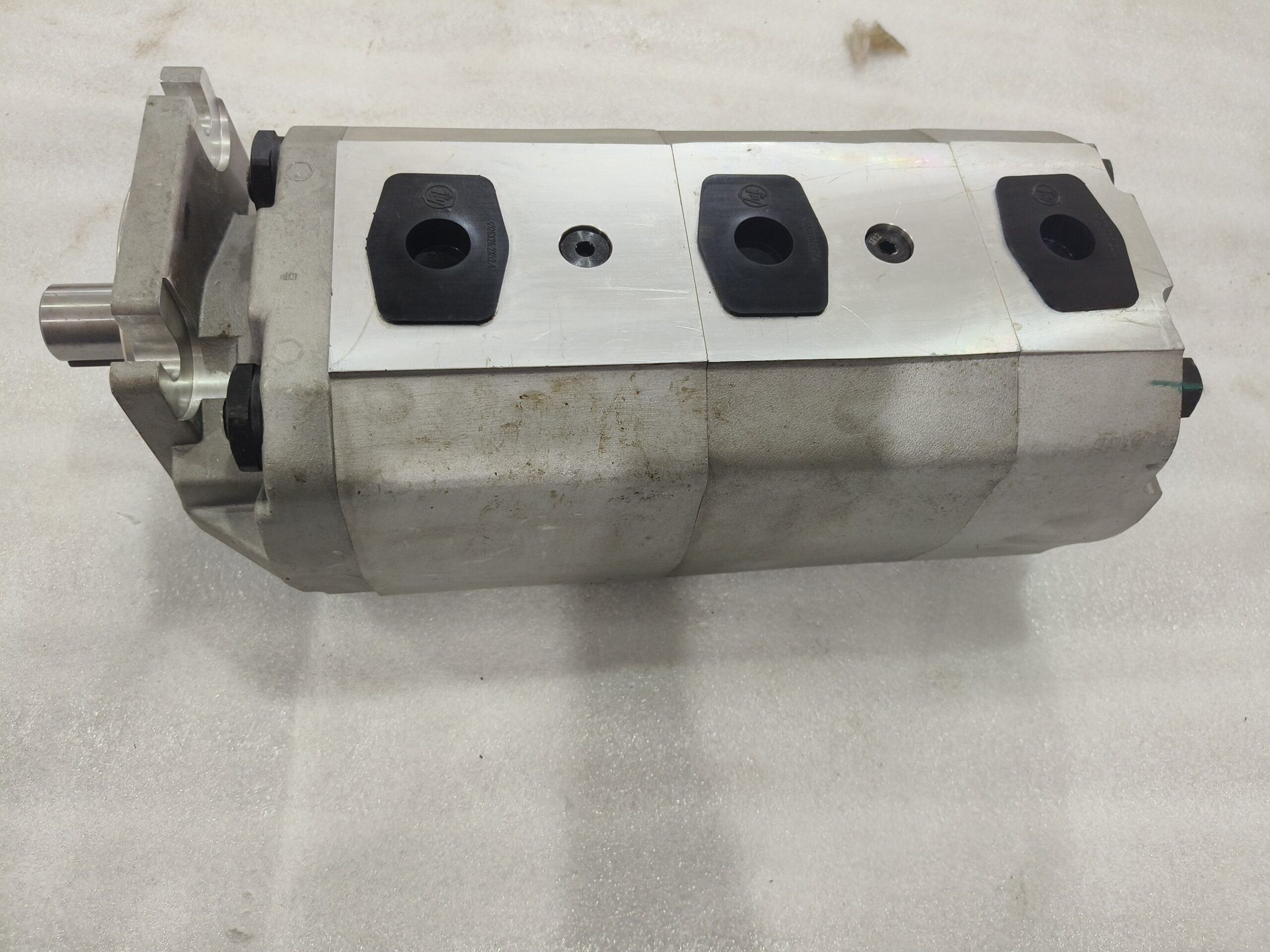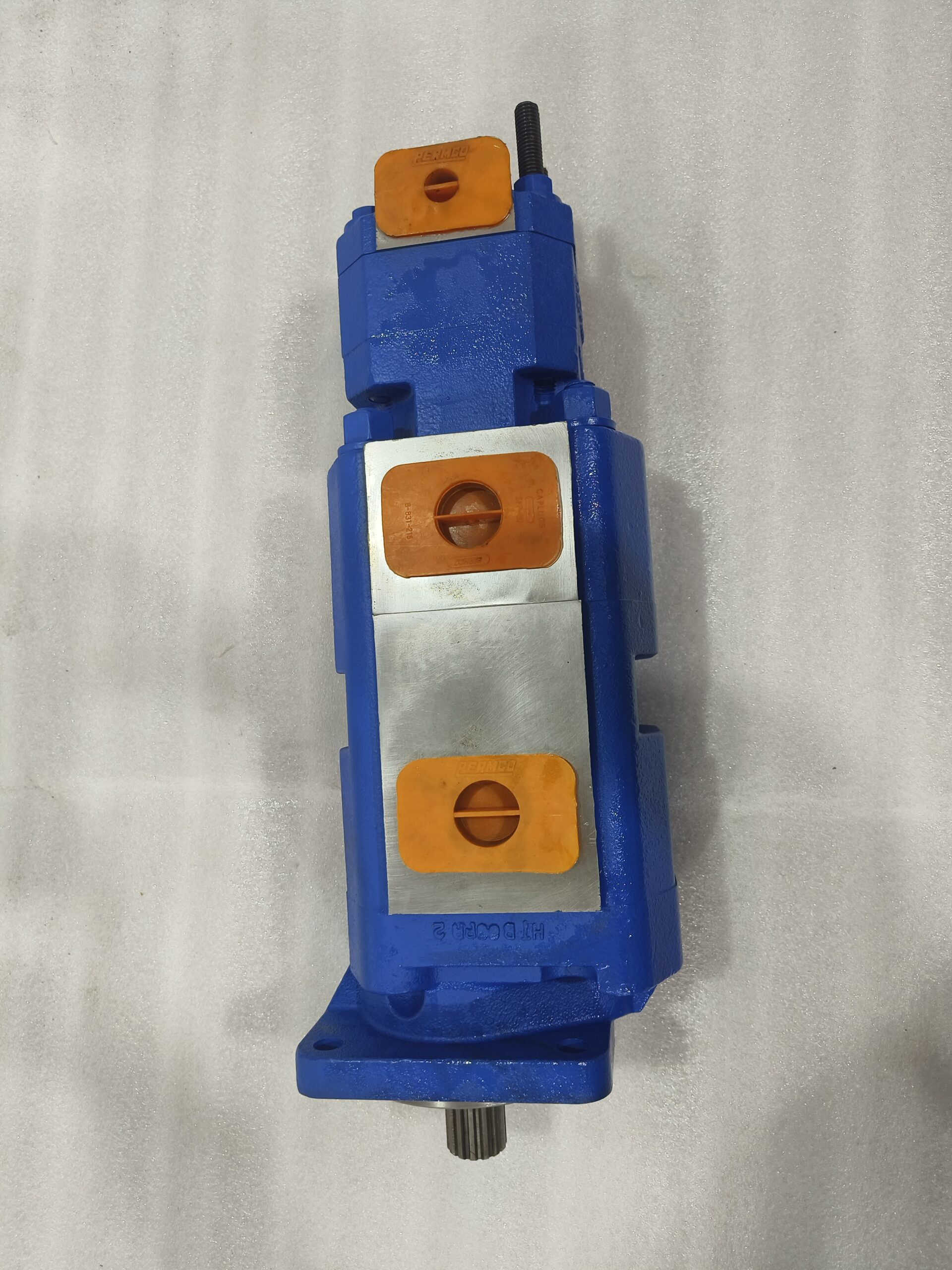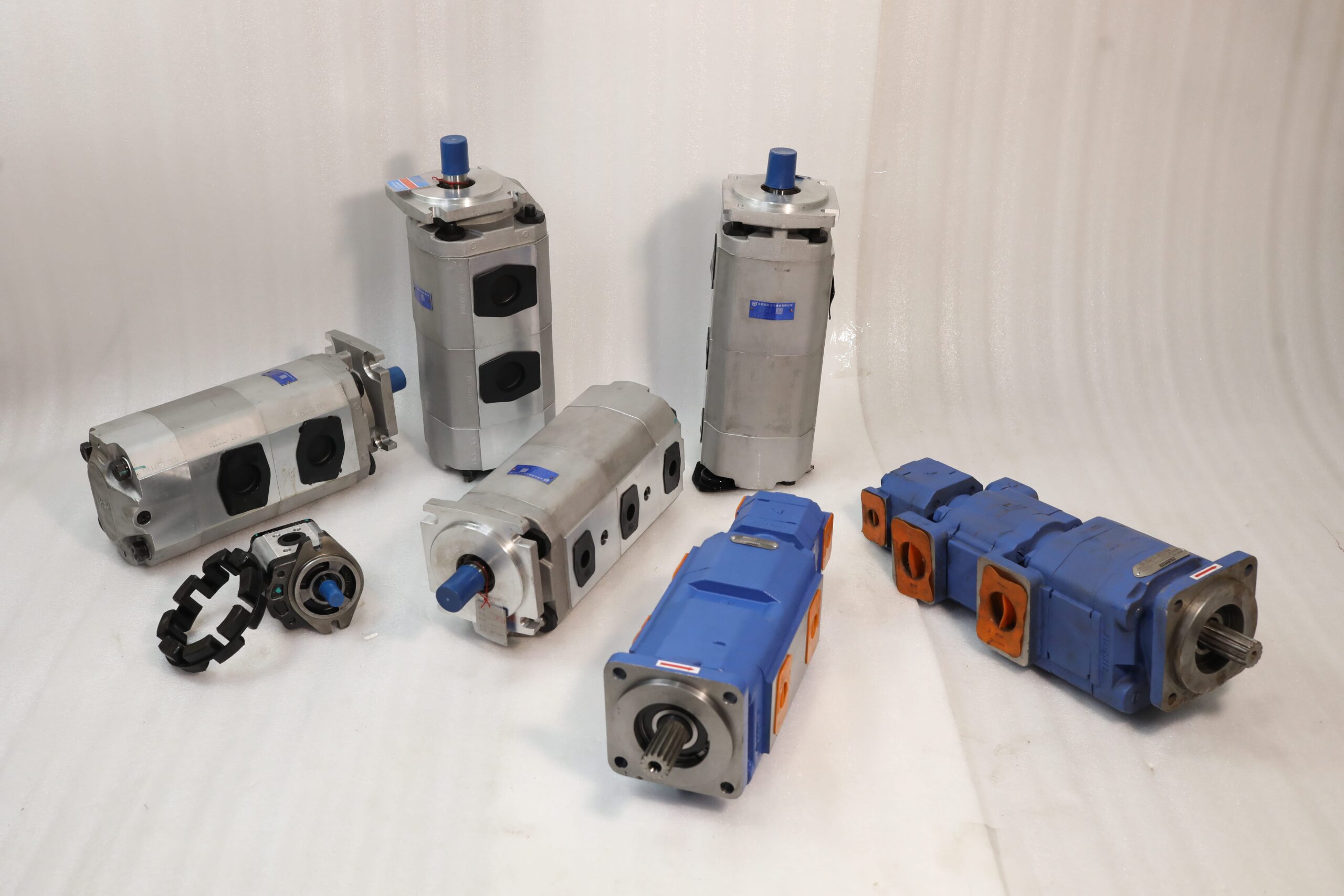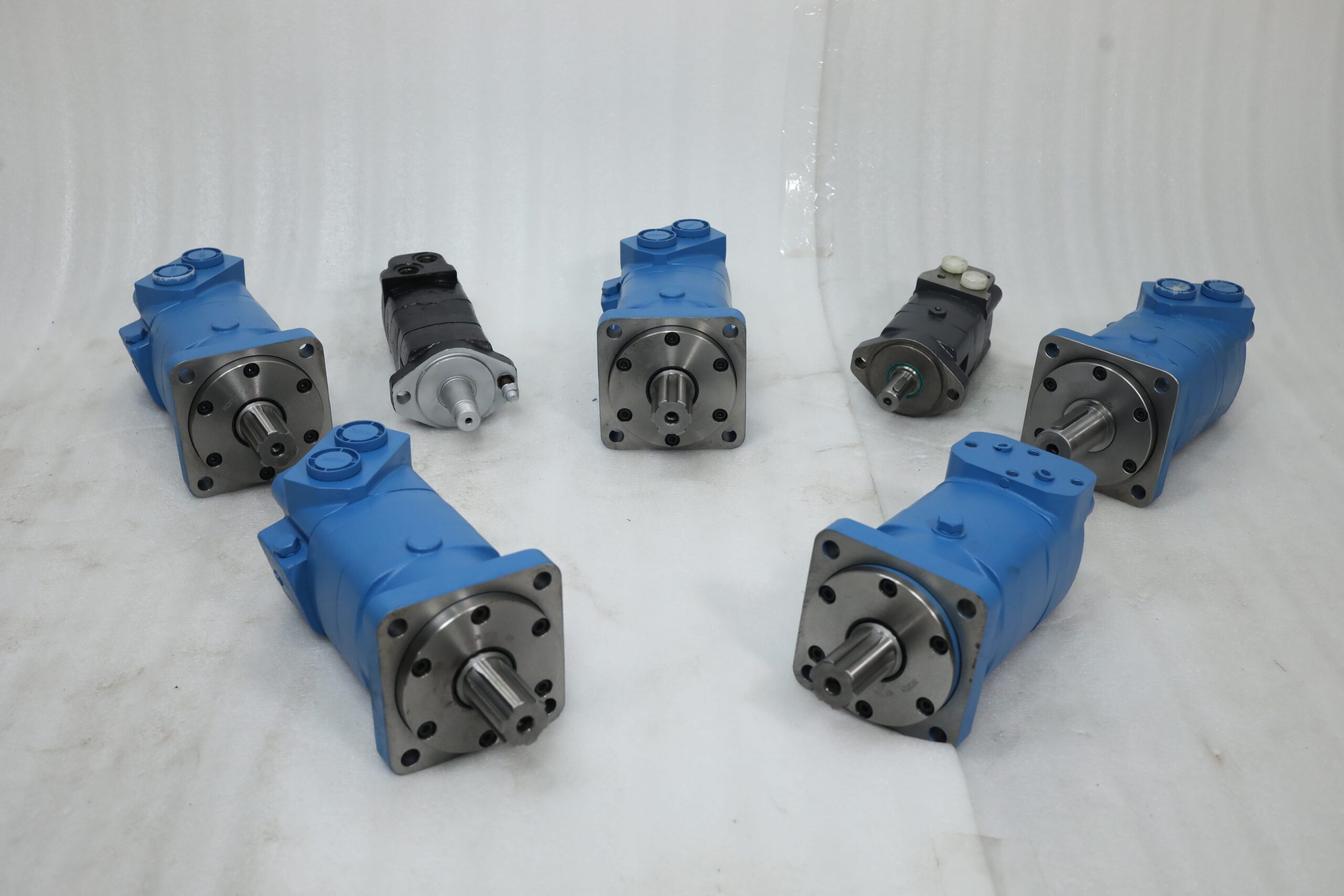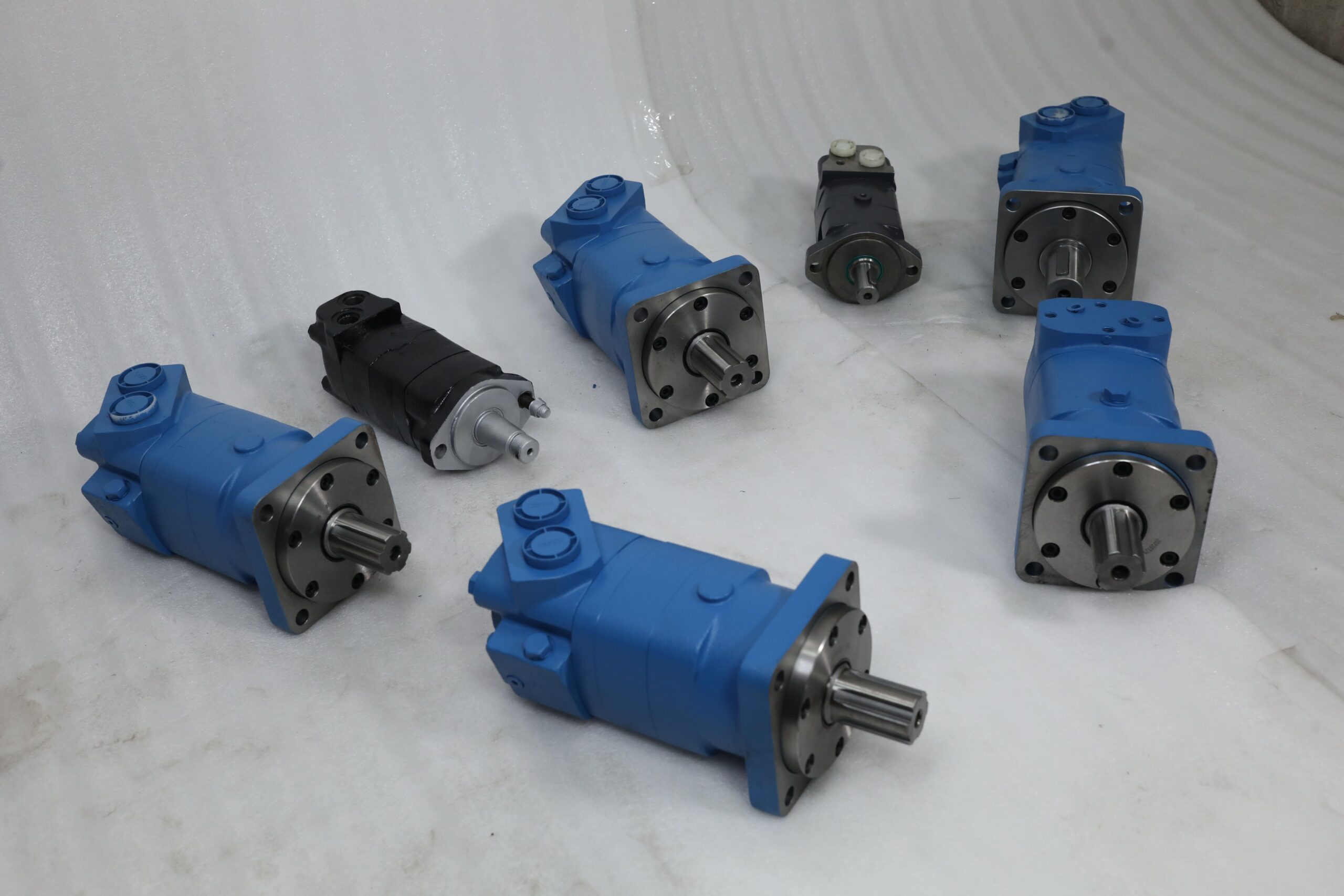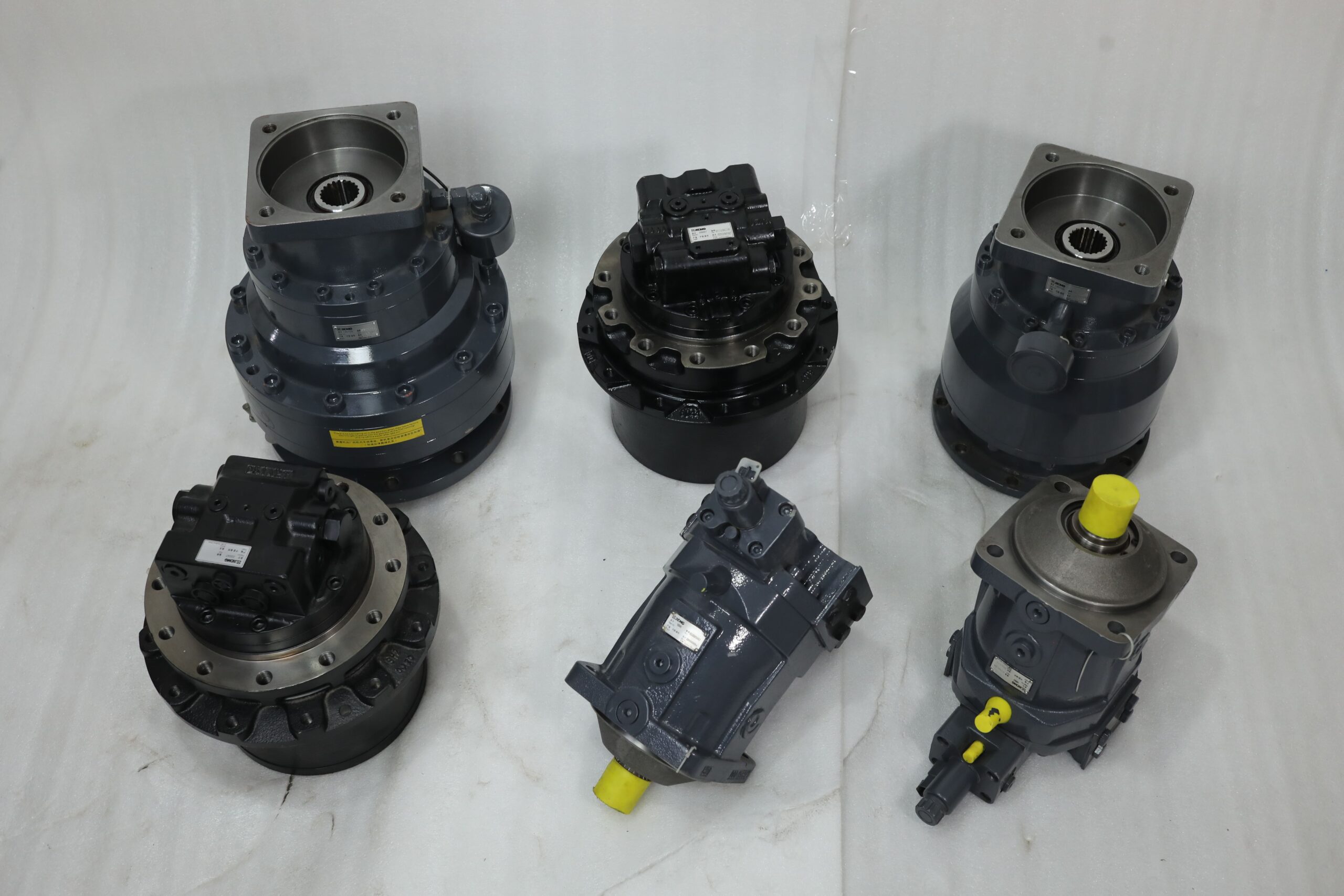
Hydraulic Pumps and Motors
In the context of an HDD (Horizontal Directional Drilling) machine, hydraulic pumps and motors play crucial roles in enabling the machine to perform its drilling operations efficiently. HDD machines are used to create underground pathways for utilities such as pipelines and cables without extensive excavation. Here’s how hydraulic pumps and motors work within an HDD machine:
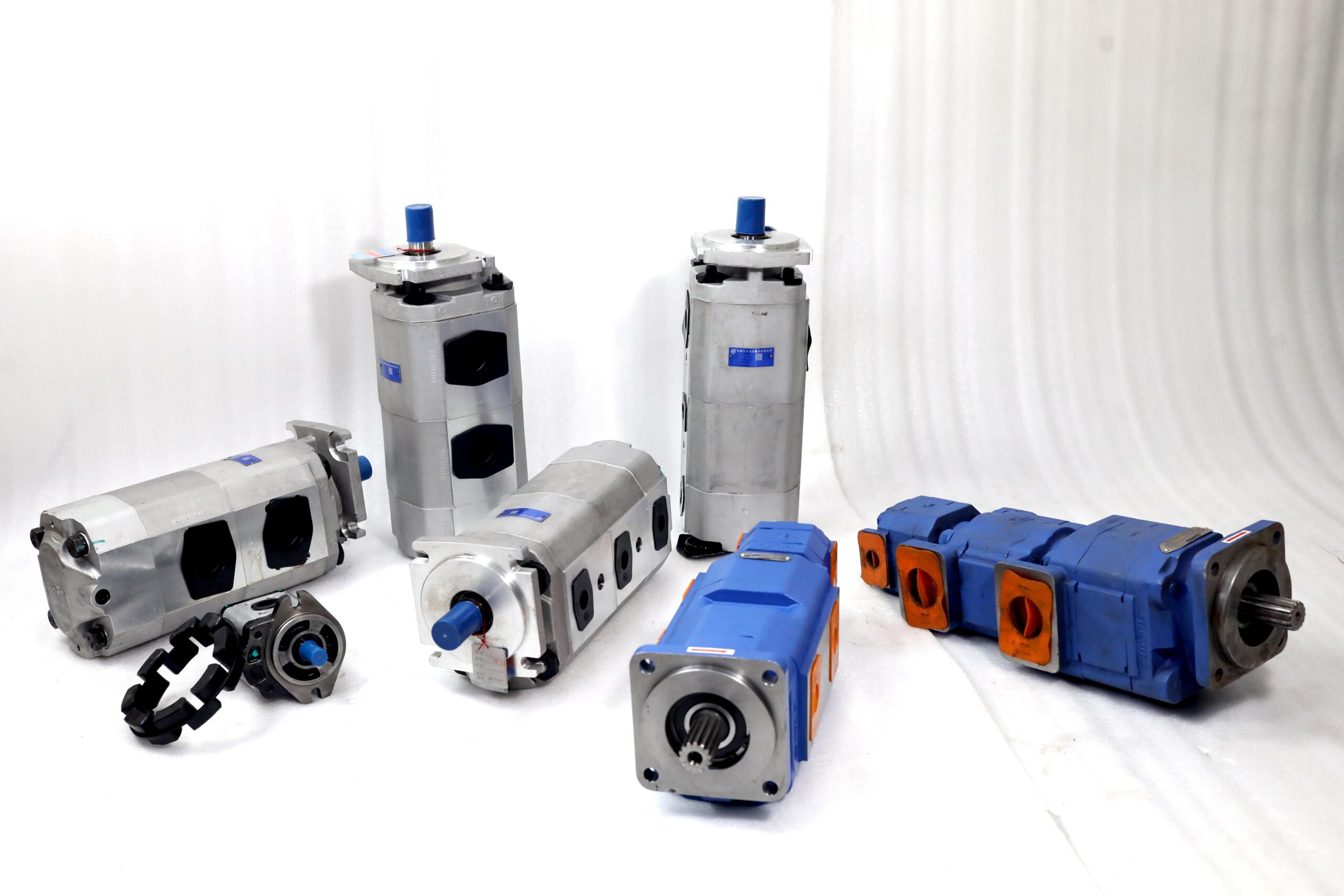
Hydraulic Pumps:
Power Generation:
The hydraulic pump is usually driven by the engine of the HDD machine. It converts mechanical energy from the engine into hydraulic energy in the form of pressurized hydraulic fluid.
Fluid Circulation:
The pump draws in hydraulic fluid (usually hydraulic oil) from a reservoir. This fluid is then pressurized and pushed through hydraulic lines to various components of the machine.
Pressure Generation:
The pressurized hydraulic fluid is directed towards hydraulic motors and cylinders. The pressure generated by the pump is what provides the force necessary for the drilling operation.
Hydraulic Motors:
Conversion of Hydraulic Energy to Mechanical Energy:
The hydraulic motor receives the pressurized hydraulic fluid from the pump. It converts this hydraulic energy back into mechanical energy, which is used to power the drilling operation.
Rotational Motion:
In the context of an HDD machine, hydraulic motors are typically used to drive the rotation of the drill bit. As the hydraulic fluid flows into the motor, it causes a rotor to rotate, which in turn drives the drill bit’s rotation.
Control and Precision:
Hydraulic motors offer excellent control over rotational speed and torque. This control is vital for guiding the drill bit accurately through the ground, especially when dealing with varying soil conditions and potential obstacles.